Roadtripping New Zealand

What You Need to Know About Buying and Selling a Car in New Zealand

Getting around is one of the biggest problems to solve when planning a trip to New Zealand. It informs where you’ll go, what you’ll do, and what you can pack. I’ve seen New Zealand three ways: a semi-guided bus tour (Stray), the Intercity bus line, and car.

Having your own car is hands down the best way to see New Zealand if you want to be in complete control of your itinerary and you want to cut down on costs. Stray was a great option for my 5-week jaunt around the South Island back in 2014, but the cost is prohibitive these days and I wouldn’t be able to afford it now even if I wanted to spend that much time with other people (spoiler alert: I do not). The Intercity is a good option if you are only going to a few big places, have a small budget, and can’t or don’t drive. This can be combined with things like ridesharing or hitchhiking, which is still a valid way of getting around Aotearoa.

We knew going into our big trip around the South Island that we were going to buy a car. Having used the Intercity to get between a few major stops in the North Island the previous winter, it was clear that we wouldn’t be able to scratch the surface of what the South Island had to offer using public transportation. I will touch a little on the Intercity, including their travel pass, but generally, I don’t think it allows for the full NZ experience. As most people are probably investing a lot of time and money into this journey, you probably want it to be worth the effort.

Buying vs. Renting

While buying a car may seem like a bit more work than you’ll want to do, the cost savings is notable. Even if we had bought our car and driven it into the canal at the end (a thought I had every time another low-baller ghosted me) we still would’ve saved money over renting.
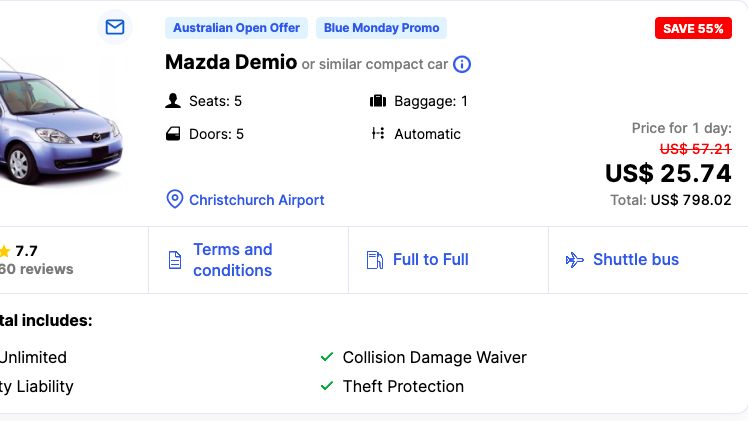
When I searched ‘budget rental’ this was the first thing to come up.

For example, to rent our exact car for one month would cost around $800 USD or NZD $1300. That means for the time we had it, it would’ve cost $5200 NZ to rent, with no recourse to get any of our money back by reselling at the end. This also doesn’t include the biggest expense of having the car, which is petrol.

There’s also the risk of damaging a rental, which can mean even more out-of-pocket costs. If we had scratched or damaged our car, we could’ve just sold it for less. This made driving around less stressful than if we were in a more pristine vehicle.

So while it may require a bit more admin and leg work, buying and reselling is hands down the way to go in my experience.

Buying a Car as a Tourist

When I first started looking into getting a car, I was surprised by how common an occurrence it was for tourists to buy a vehicle with the intention of selling it at the end of their trip. It’s so common, it’s a suggested mode of transportation on the country’s official transportation website. You don’t need an international driver’s permit if your license is in English, but you do need one if your license has non-English characters. Be sure to look into if this applies to you, as most countries require you to get an IDP before you leave your home country.
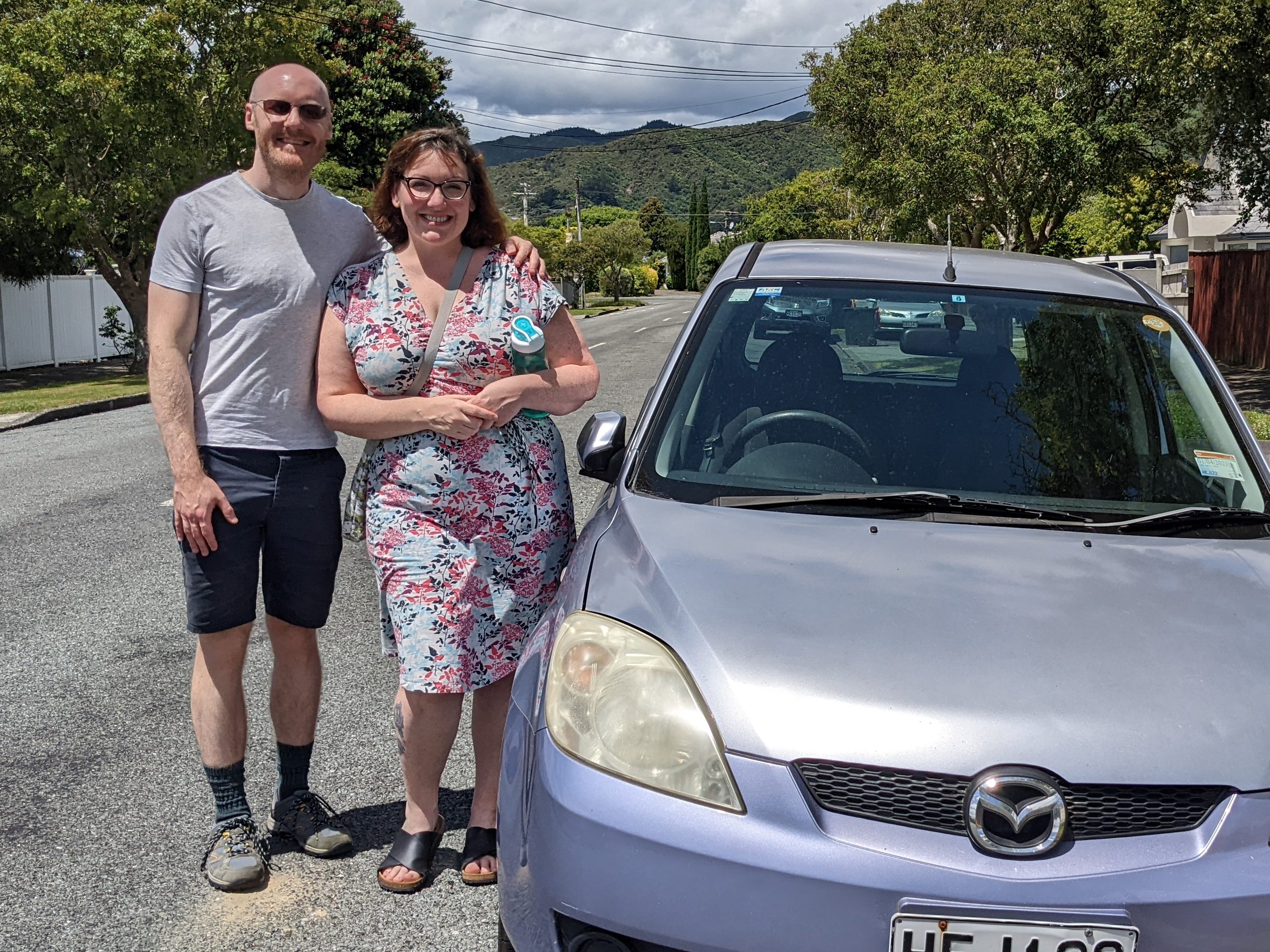
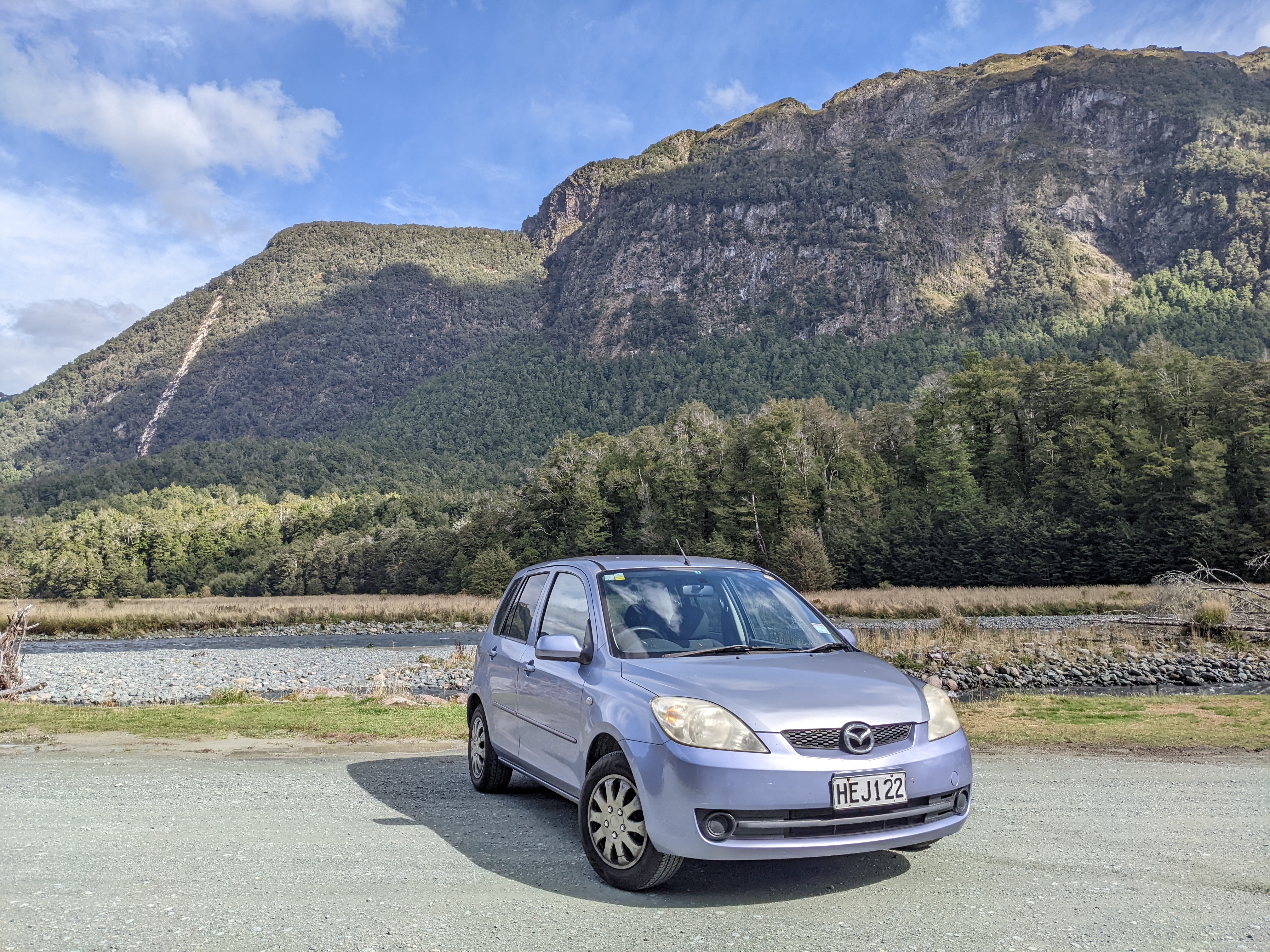
Lilah, our new road trip companion, newly purchased!

Having only bought cars in the United States, I found buying a car in New Zealand to be pretty straightforward.

There are a lot of affordable cars available on sites like TradeMe, as well as loads of vehicles at used car lots, especially in bigger cities and towns. Keep in mind that public transportation isn’t great anywhere in New Zealand, so shopping around for a vehicle outside of a dealership can be onerous without a car. Thankfully, our friend was on hand to drive us to see a few local cars, which saved us a lot of hassle.

We ended up buying our car in Wellington from a person who listed it on TradeMe, instead of dealing with a used car lot or a ‘Facebook dealership’. There are a lot of junkyards selling cars in Wellington, which may be a cultural norm, but coming from the US/UK, a junkyard seemed like the last place to buy a car I intended to drive over 2000 miles.

One logistical consideration you’ll need to make is how to pay for the car. International bank transfers take some time to go through, so if you’re buying from a person, it’s better to have cash. Dealerships will likely take debit cards, just make sure the card you use doesn’t charge any kind of foreign transaction fee, as these are usually a percentage of the purchase price.

We ended up paying part cash and part local bank transfer, again, thanks to our local friend’s assistance. The woman then transferred the vehicle to us online and we were off!

Getting Street Legal

Once you buy a car, you’ll need to transfer it into your name and get insurance. NZ drivers can release liability online, but international drivers need to go into a transport center to get their paperwork in order. Cars can be transferred at several locations, including post offices, and don’t require you to book an appointment, wait for hours, deal with disgruntled employees, or pay hundreds of dollars. This was a welcome surprise compared to what I was used to back in America. There was a small fee (NZ $8 in 2023) to transfer the title and that was it.

Depending on the vehicle, you may also need to register the car and get a WOF (Warranty of Fitness). I didn’t want to bother with either of these, so I looked for vehicles with On Road costs included. Sites like TradeMe will allow you to search for vehicles with On Road costs included, and even listings on Facebook Marketplace will mention whether or not you’ll need to get these things in order before you are road ready.

I wanted a car with an up-to-date Warranty of Fitness, because I hate dealing with mechanics. This again may come from only dealing with car-related tasks in the US, but getting an inspection has always filled me with anxiety. My thinking for our NZ purchase was that any car with a current WOF was probably in good enough condition that it wouldn’t need any major work done in the following three-ish months. Our registration was due to expire while we had the car, but it was very easy to renew it. You can opt for 3, 6, or 12 months of registration, which is a nice difference to the annual registration you pay in the US. I think we only paid $58 NZ for 6 months of registration fees, which again is dirt cheap compared to the US.

We topped up the rego before selling the car so that the next person wouldn’t need to rush to do it. Unlike in the US, you don’t need to transfer the registration every time you sell the car, just the title. Easy peasy.

Getting insurance was also very simple. I found a month-to-month plan that I bought online which was $27.25 NZ/month including glass cover. The woman I bought the car from recommended getting glass cover, and I’ll pass that recommendation on to you. Glass cover insures you 100% if your windows get smashed or your windscreen gets cracked. You may think you won’t need it, until you start seeing piles of glass in all the parking lots and hearing the rocks pinging off your windscreen when you’re driving down one of NZ’s hundreds of gravel coated ‘highways’. Our glass remained intact, but I’d buy it again, every time.
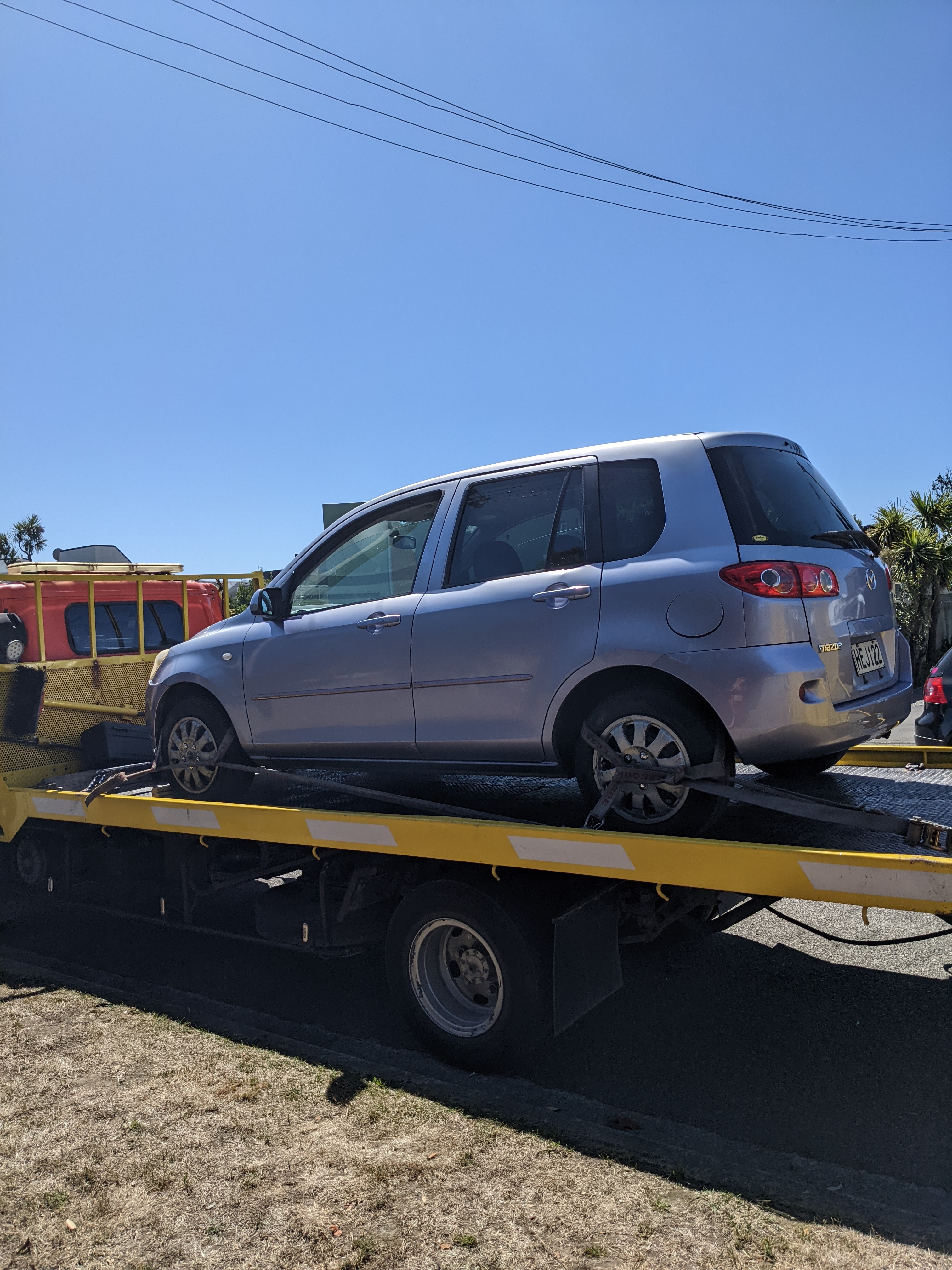
Roadside Assistance is a must-have for any road tripper

We also opted for an AA membership. This not only covers you in case of a break down, it also boasts some pretty good discounts. For instance, we got 15% off our ferry journey (a $30 discount) and we got the AA price at partner gas stations. It also has other discounts that you can see on their website. We did end up using them when our car started leaking petrol and the service was far and wide much better than anything I’ve received from AAA in the states. I ended up paying a $20 out-of-area fee for the tow, but otherwise they charged us nothing to inspect the problem. (As an aside, don’t fill your car to the brim with petrol and then park on a steep hill. Just saying.)

Another insurance feature we used was a steering wheel lock. Now, before you dismiss all this as overkill, I will say that New Zealand is an incredibly safe country. I would hitchhike there, I would walk around in the dark by myself, I would probably knock on a stranger’s door if I needed help. It’s safe.

But. Petty crime is a thing, especially stealing cars (especially little crappy cars like ours) either to rip out and sell the catalytic converter or just to have a bit of a joy ride and then park it somewhere on the side of the road.

No less than 5 people we talked to mentioned car theft – especially of Mazda Demios – in our four months driving around.

Since our car was by extension our home, we wanted to do everything we could to keep it safe. So we used a steering wheel lock every time we left the car.

What Type of Car to Buy

The type of car you buy will hinge on a few factors. Namely: price, condition, engine size, drive type, and gas mileage. We wanted a small car that was good on gas more than we wanted the ability to go off-road or sleep in the back. So we went with a 2006 Mazda Demio. I loved this little car and it really did us well on our journey. The downsides of it were the engine size, which at 1500cc struggled to get up some of the steeper hills and mountain passes. However, we kept passing the Jucy vans, so we were doing better than some.

Another issue we had was the amount of gravel roads we encountered. We didn’t want to off-road, but even on-roading became a problem in some areas around Lake Tekapo and the Catlins. It ended up just not being worth it to bounce down a rocky trail to see yet another lake. If you want absolutely no barriers between you and the great wide open, I’d recommend something with larger tires, better suspension, and a bigger engine.

If you do decide to go with a smaller car, we found that Googling our destination and looking at reviews would give us some insight on what the driving conditions were. Likewise, looking at Google Street View can give you an idea of what you may be faced with, although constant updates to roads means this information can become outdated rather quickly.
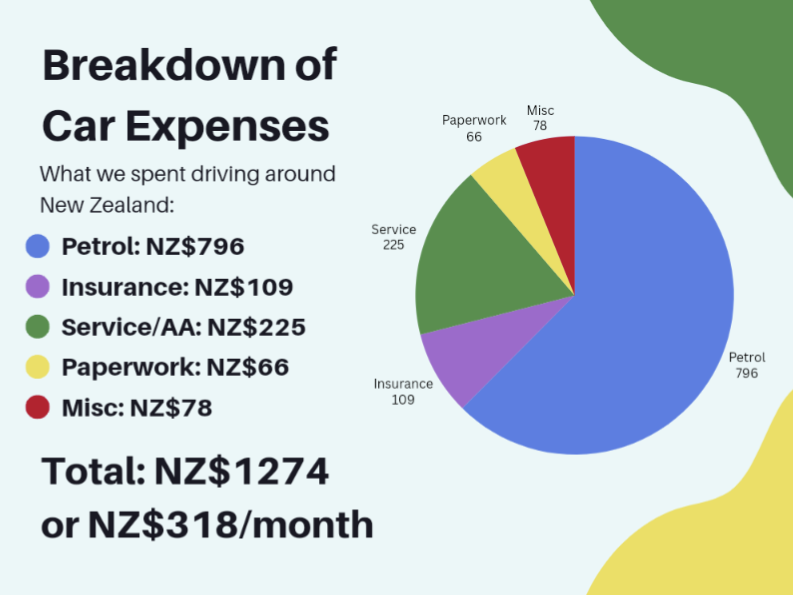
While petrol was our biggest expense, it was much lower than it could have been with a bigger vehicle.

What our little car lacked in off-roading capabilities, it made up for in gas mileage. We were getting something like 500 kms to the tank, which meant filling up much less and spending less money overall on our trip. Gas was the biggest expense of driving, but the freedom it provided was worth it.

Driving in New Zealand

Driving in New Zealand is another time when the statement “New Zealand is safe” doesn’t always apply. NZ drivers can be aggressive. There are tons of huge freight trucks hauling all types of cargo from precariously stacked logs to skips full of garbage that is flying out of the back and bouncing off your windscreen. There are also just the regular drivers, who are in a big hurry for some unknown reason. Worse still are the international drivers, who are plentiful in tourist areas and give a new meaning to driving defensively.

But, in general, we didn’t have any major issues. There are lots of winding roads, but they are well-paved and tended to. In fact, NZ is probably some of the nicest driving I’ve ever done. The downside to these gorgeous motorways is the amount of stops you’ll have to do for road works. There are frequent stretches all over the country where the speed limit will drop suddenly from 100 to 20 and you’ll crawl along as to not pummel the guy behind you with a tire full of rocks (thanks, glass insurance!). This factors into planning and time management, since it’s a reality that you are not getting to your destination at the time you think you are.

In preparation for this guide, I looked at a lot of Reddit threads of people planning a trip to New Zealand. The amount of overzealous itineraries was incredible. “Can I see both islands in two weeks?” “Can I drive from Christchurch to Milford Sound and back in one day?” “But Google Maps says it only takes four hours!”
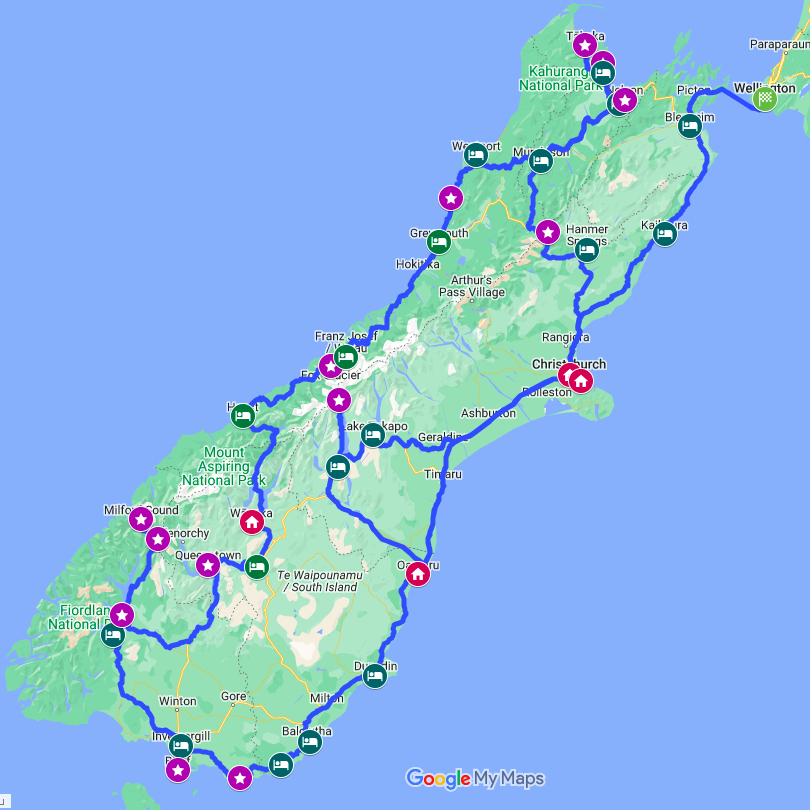
Our NZ Road Trip: Approx. 4500km/2800mi

Google Maps doesn’t understand New Zealand. It doesn’t understand its roads, its traffic, its construction, or its natural beauty. Planning a trip to New Zealand requires an understanding that everything is going to take longer and you probably won’t have enough time to do and see everything you want to.

That being said, we spent four months driving around New Zealand, but only about six weeks actively seeing the sights. As house sitters, we factor in down time, and purposely planned to have a cooling off period at the end of our trip to sell the car and off load some of our stuff. You can probably go faster, but it sort of goes against the entire ethos of the place. I do recognize that not everyone can take six weeks to see New Zealand, so I will offer suggestions for shorter trips in another blog.
When it comes to driving, expect to be exhausted. Some of the driving is very straightforward and you won’t need to use 100% of your brain. Some of it requires all system go and you’ll be maneuvering sharp turns, winding roads, huge trucks, crazy drop offs, and bad weather. Take your time, take lots of breaks, and take in the views! Thankfully, NZ knows how beautiful it is, so there are lots of signposted opportunities to pull off the road and have a proper look around. Many roadside attractions even have some walking paths built in so you can stretch your legs.

In addition to marking your destinations, you’ll do well to mark petrol stations, roadside cafes, and points of interest along the way. We almost got stuck with an empty tank twice because we didn’t know there would be no gas station for 200 kms.

Selling Your Car
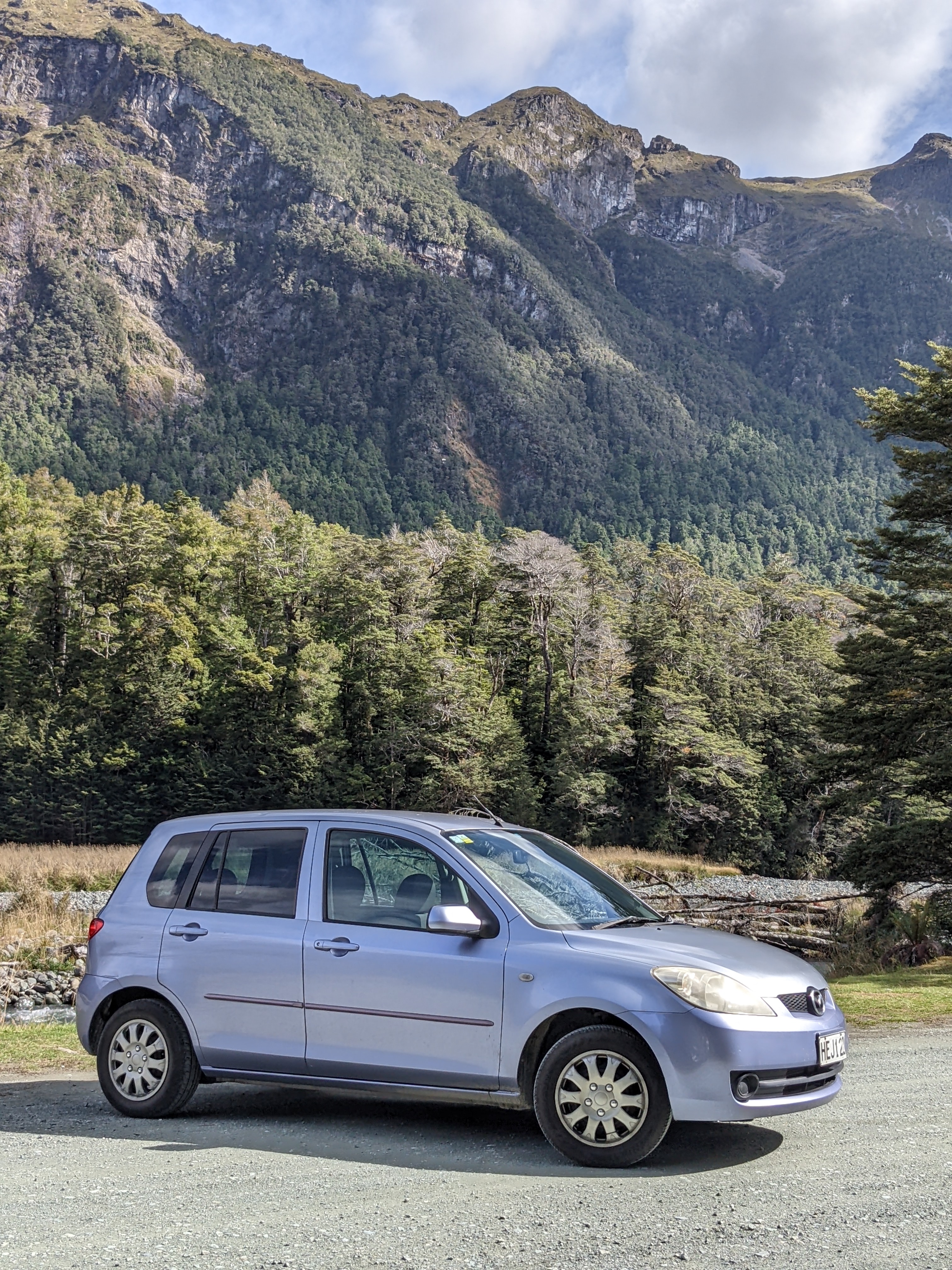
Be sure to take some scenic photos of your car for your listing.

Selling the car at the end took a few weeks, but it worked out as best as it could. We bought the car for NZ$3850, and we sold it for $3800. We did get a full tune up done at AA for $200, but coming out almost even was the best case scenario. Had we struggled, we would’ve been happy to sell it for much less, but thankfully we were in Christchurch, which is the entry point for a lot of tourists and home to a lot of students and first-time car buyers. We did actually end up selling it to a local who was in the market for her first car, however, we did have a lot of messages from international buyers who were looking for their own road trip car.

The most messages we received were from hobbyist dealers looking to get the car for as little as possible. These guys are annoying, and made the process a lot more irritating than it needed to be. Even the ones that we engaged with and set up a time to show the car to never showed. It’s a strange phenomenon that I’ve never encountered elsewhere.

Driving New Zealand: Ultimate Freedom
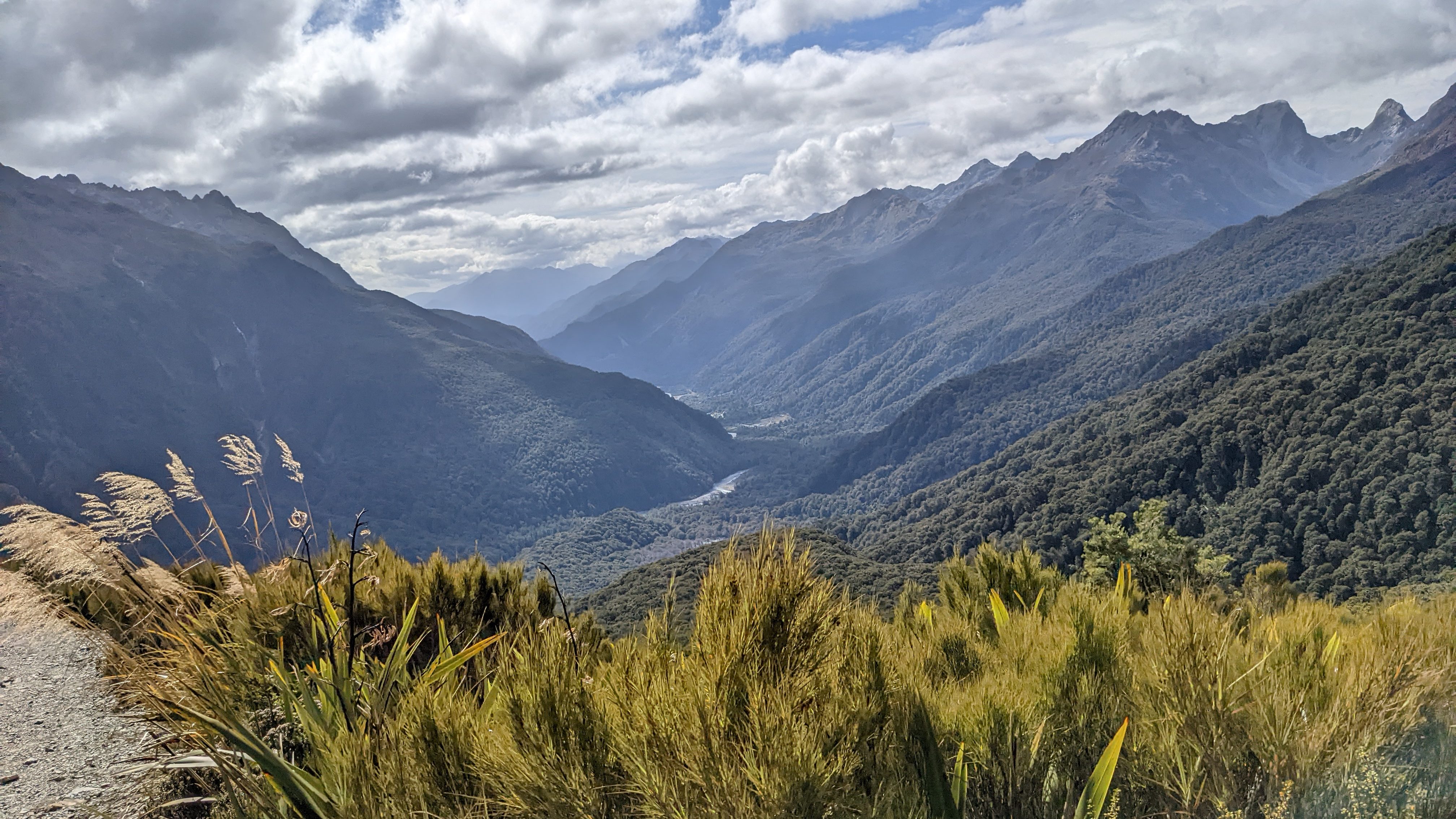
Being able to drive ourselves around meant experiencing New Zealand the way we wanted, when we wanted.

New Zealand is a place meant to be explored. Taking a bus tour, using public transportation, or even hitch-hiking means you are only scratching the surface of what this amazing country has to offer.

Overall, buying and selling a car as a tourist is easier and more cost effective in New Zealand than in most other countries around the world. The culture of buying a car, driving around for a few months or even a few weeks, and then selling at the end is much more common here than one might expect, but this only underlines how crucial your own vehicle is to creating the trip you want.

Top 5 House & Pet Sitting Sites

There are many sites available for those looking to house and pet sit

If you are interested in becoming a house sitter or pet sitter, the easiest way to find sits is through a dedicated house sitting website. While most of these sites use the term “house sitter,” more often than not, the ads on these sites will be for pet sitting. While it’s not impossible to find pet-free sits, it will be difficult to use these sites as a viable way to travel.

For everyone else, these sites are a platform where both sitters and hosts (also know as homeowners or pet parents) can advertise themselves, connect, share reviews, and potentially get some sort of support if things go awry. For some, just the sitter pays a fee, while others require both parties to pay. The quality of user experience, customer service, credibility, and sits varies from site to site, but each one does have its benefits.

In no particular order, here are our top 5 sites for house sitters and pet sitters:

As a standalone site, Trusted Housesitters has by far the largest number of users. They are an international company (based in the UK) that allows sitters to browse sits all over the world from one platform. They also require some amount of effort from hosts, meaning listings tend to have more information, more photos, and clearer expectations than some of the other sites. This is one where both the sitter and the host must pay a fee, so the hosts tend to be more motivated to secure a sitter and follow through with the sit.

There are some downsides to this site. They’ve recently implemented a 5 application cap, meaning that once a host gets 5 applications for their listing, it goes into review and no one else can apply until they unpause their listing. This means that those highly desirable sits in big cities or at peak times get snapped up quickly, especially if you are in a different time zone. The company’s response to criticism of this new feature has also made some question their motives. They heavily censor both their forum and their Trustpilot reviews, so it can be difficult to feel like they have your back if an issue arises. Another recent feature that has divided users is barring sitters from applying for sits that overlap with booked dates. This further limits users to what sits they can apply for, even though the membership cost is the same.

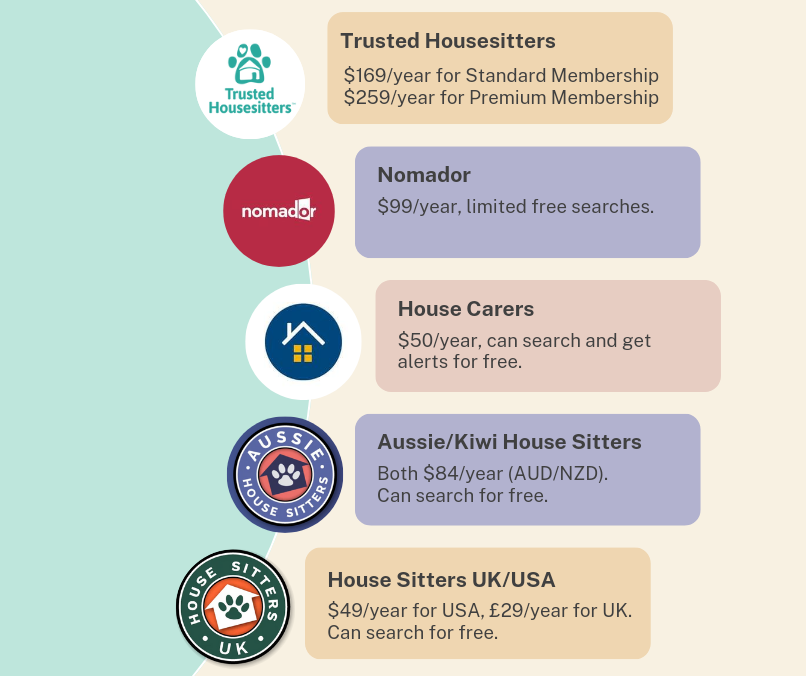
Overall, we will continue to use Trusted Housesitters as it is great value for money. At $169/year for a standard membership and $259/year for a premium membership it’s more expensive than some of the others, but the amount of sits we get from it more than covers the cost.

Those interested in signing up for Trusted Housesitters can get 25% off their first year with our discount code:

Get 25% off your first year.

Originally a French house sitting site, Nomador is great for those looking to do sits in France (or any Francophone places). This means Nomador sometimes has sits in more unique locations, such as Reunion, Tunisia, Mozambique, and the French Caribbean. They have expanded, so you can find listings all over the world, though admittedly they are minimal outside the Franco-sphere. Another cool feature Nomador offers is the ability for hosts to offer travelers a place to stay for the night. Think of it as a less shady Couch Surfing site.

There is no limit to the number of applicants hosts can get, however the site is a bit more relaxed than THS when it comes to confirming sitters. That means there may be listings up that are no longer available, so hopeful applicants may waste their time applying for dates that have been filled.

At $99/year (or $42 for 3 months) the site is less expensive than Trusted, but offers far less sits worldwide. If you are looking to travel extensively in France (or want to find a long term gig in one area of the country) this site is a great option.

Kiwi House Sitters is hands down the site to use if you are house sitting in New Zealand. It seems to be much preferred by locals over Trusted Housesitters, probably because it is free for hosts and is a bit more low tech. This also means that many postings lack photos and information, and some may not even be up to date, as the site is not as heavily maintained and monitored as THS. But what it does, it does well. Saved search functions are good, and the messaging system is straightforward.

My favorite feature is the reply rating, which shows how responsive a member is to emails. Someone with a low rating may be hard to communicate with on the site, so this is a good indicator of how your experience with them may be.

At NZ$84 (about $55 USD) it’s a bargain, especially with the cost of New Zealand accommodation! If you want to save even more, you can use find plenty of referral links and get NZ$10 off! (We would include our referral link here, however as we have no current plans to go to NZ, you are better off searching for an active referral elsewhere.)

Almost identical to KHS, Aussie House Sitters is a great resource if you are traveling through Australia. Both of these sites offer more accurate location mapping over Trusted, which can be useful in a huge place like Australia.

There are several sister sites included in the “House Sitters” family, including House Sitters Canada, House Sitters America, and House Sitters UK. If you were to sign up for each of these individually, the price would clock in well above the price for Trusted, however if you know you’ll only be traveling in one part of the world, these sites are well worth it.

Another feature that can be useful if you do decide to use more than one site is the ability to link profiles so all of your reviews show up across your different profiles. This meant we had 5 reviews on both our Aussie and Kiwi profiles instead of 2 on one and 3 on the other.

Finally, these sites allow for paid sitting, which is something strictly forbidden on Trusted, Nomador, and House Carers. While most of the time petsitting is an exchange, there are some situations where you may want to charge a fee. Having this be more up to the parties involved can result in a more even exchange for harder-to-fill sits.

Aussie House Sitters costs AUD$84, but you can get $10 off with a referral code.

We have yet to book a sit through this site, but I’m adding it because of the large number of long term sits we come across, especially though their Instagram. Like most of the others, it’s free to browse listings and you only pay if you want to send a message. Currently, the cost for a year is $50 US, so if you did see a sit or two that excited you, the cost is fairly low.

Downsides to House Carers is that the user interface is messy, and takes a while to decipher. As it is free for homeowners, you can run into the same problem that comes with “House Sitters” sites, as the homeowners aren’t as invested in their listing or in responding, especially if they already found a sitter. But, with that said, it’s worth checking out and following them on IG if you are seeking a long term sit.

With house and pet sitting surging in popularity, more and more sites are popping up all the time. Some country specific sites, Like House Sitters Mexico, offer few, if any new listings, while others, like Mind a Home, have a good number of sits, but relatively poor UI/UX. There are also others, like Rover, Cat in a Flat that offer paid opportunities for experienced sitters looking to monetize their experience.

Whichever site you choose to go with, getting started requires a few important details to ensure you land a sit quickly. Be sure to subscribe for more useful tips for a successful pet sitting experience!

2023 Expenses: How Much We Spent Traveling the World

It’s that time of year again! We’re looking back on our expenses from 2023, focusing only on accommodation and transportation, as these are the two main things that make traveling different to just living in one place.

We set out to spend less this year, and we tracked more than we did the year previously. Trains didn’t make the list in 2022, and they really should have, because we spent several hundred dollars taking them around Japan. This year, we tracked all accommodation and all big transportation. We didn’t include local transport or excursions.

LiIah, our 2006 Mazda Demio.
Purchased for NZ$3850, sold for NZ$3800

We also bought a car this year while traveling around New Zealand. We’ll go more into what this entailed in a future blog, but we also tracked the expenses that came with this, including petrol, insurance and any car-related purchases. Buying a car for a road trip is a risky endeavor, but we were lucky in that we didn’t have any major breakdowns and we were able to sell the car for about what we paid for it. This made for a rather small expense in a country where we accrued quite a lot of expenses.

This year we went to less places, and we were mindful of our spending. Seeing news of inflation taking the UK by storm and heavy surges in prices across Europe had us worried: Would we even be able to afford to go back?

Thankfully, we secured our flights to the Northern Hemisphere way back in December, an incredible deal from Sydney to Athens for £225 each. Booking far in advance can pay off if you know where you are going to be.

We had hoped to mostly house sit our way around New Zealand, however a last minute change of plans had us road tripping out of pocket for nearly 6 weeks. It was pricey, but worth it. Sometimes, you just need to spend the money and enjoy yourself. Later in the year, we more than made up for this unexpected journey.

We decided after 18 months of non-stop travel to well, stop, for a bit. We planned out about 3 months of housesits in London, giving Aaron enough time to secure a temporary job and refill his savings before we set off again. I was still working remotely at this point, so staying in the UK wasn’t an issue for me.

Below is a quick overview of our expenses for each month (in USD).

January

Accommodation:$471 Transport: $362

The ferry ride from Wellington to Picton was nearly as beautiful as Milford Sound!

While house sitting in Wellington, we bought our car and set off on our trip through the South Island. This included the ferry ride from Wellington to Picton, which we managed to get a discount on thanks to our AA membership. I’d recommend buying this if you intend to drive around New Zealand, as it not only includes discounts on ferries and gas, but also provides peace of mind if you break down or your car starts leaking petrol (for example). The annual membership was around NZ$70 (as of 2024 I think it’s gone up to NZ$80) but we saved NZ$30.00 on the ferry and we used road side assistance with tow once. We also used them for a tune up and I think it was a bit cheaper than if we went to a third party. We didn’t really benefit from the AA petrol discount as it only applied to stations that were slightly more expensive than the cheapest option on the road.

February

Accommodation: $213 Transport: $188

February involved a few sits, both in Christchurch and Oamaru, so we took in the time in between to pop over to Lake Tekapo and Aoraki/Mount Cook.

We didn’t spend very much overall, thankfully, seeing as the rest of the trip was about to be very expensive!

March

Accommodation: $1847 Transport: $187

NZ excursions like Milford Sound are worth the money.

We had booked a month-long sit in Otago that ended up falling through a few weeks before we had planned to arrive. In the end this turned out to be a blessing, as we had an incredible trip and saw a lot that may have been rushed if we had gone through with it. This did result in us racking up the largest monthly expenditure of two years of traveling! Worth it? Yes, but it is a good reminder that house sitting, even full time, does NOT equal free travel and you should definitely have a financial safety net if things fall through.

April

Accommodation: $439 Transport: $617

A rare outing in Christchurch for Jacki’s birthday!

We spent nearly all of April housesitting and recovering from a huge road trip and a persistent back injury for Jacki. Having a few weeks at the end of our time to sell the car really reduced our stress levels and allowed us to get what we were asking for the car while also selling off a few others things in preparation for a trip back to Europe.

All in all, the car ended up costing us about NZ$318 or $188 USD per month that we had it. For comparison, our exact car as a rental would cost around NZ$1300 per month – just to RENT it.

In addition to this expense, we also flew back to Sydney on a luxurious (and highly discounted) Emirates flight. Finding out which airlines are starting up new routes can save you a lot and let you fly in style!

May

Accommodation: $1239 Transport: $1035

We didn’t manage to get as many sits in Sydney as we’d hoped, which was unfortunate because it’s not a cheap place to pay for accommodation. Thankfully we were able to commit to a week-long booking on AirBnB, which came with a discount. We also booked in for a few weeks in Greece, which is much more affordable than Australia.

June

Accommodation: $499 Transport: $512

Switzerland: the views are the only thing that’s free!

Unfortunately, while Greece was affordable, Switzerland definitely isn’t. Even with a housesit, things like local trams were shockingly pricey ($8 return!) Groceries weren’t too bad, so we simply took a lot of walks, enjoyed the flat and the cat, and enjoyed a minibreak to Freiburg during the brief period our hosts were back between trips.

We spent more on train travel from Switzerland through France to the UK than we spent to fly from Australia to Greece. Go figure. Probably would’ve saved some money had we booked these tickets earlier, but that’s the risk you run when you’re waiting to see what housesits you can book. This year we are planning to do things a little differently to avoid unexpected last minute costs like this.

July

Accommodation: $0 Transport: 0

After all of the expenses we racked up Down Under, it was very nice to have a no low-spend summer. All of our sits except for one was in London, and so our transportation was mostly local. As we were in house sits, we mostly ate and drank at home, saving us lots of money. London is notorious for being an expensive city, but if you are only paying for groceries and the tube you won’t have to worry much.

August

During our time in London we got to play tourists, seeking out the many free/cheap things to do around the city.

Accommodation: $0 Transport: $0

We sat back to back (with a few overlaps) throughout the summer, as Aaron was working in London. I took a short minibreak up to Edinburgh, but didn’t include that in the price as it was a personal trip. It only ran me about £100 all up for the trains and one night in my old hostel at the whopping price of £14! I also spent quite a lot of money on Fringe tickets, but again, it was a personal trip so I’m not including it.

September

Accommodation: $0 Transport: $0

Because neither of us love London, not only were our travel costs quite low, but so were our everyday costs. We took this time to plan out the next part of our year and laid low.

October

Accommodation: $675 Transport: $537

We initially had a sit booked in Paris but unforeseen circumstances meant we were scrambling to make other plans in the vicinity as we had a flight booked to Barcelona on a certain day from Paris. This is a good time to mention that while Trusted Housesitters does offer cancellation insurance for premium members, they only offer $150/night for up to 10 nights within a certain distance from your original sit (plus a $100 deductible). Lots of fine print there. In this case, it was more economical for us to take a Flixbus to Rouen and book an Airbnb there.

Sometimes, the money you save by house sitting gets spent in more fun ways!

Staying in the middle of Rouen’s old town for a week cost as much as two nights in a budget hotel in Paris, so we were happy with our choice. Barcelona was relatively affordable, and with a housesit saving us the cost of accommodation, we were able to go out for wine and tapas a few times a week. We also booked our Christmas sit at this time, so we were sorted for the year.

November

Accommodation: $1115 Transport: $878

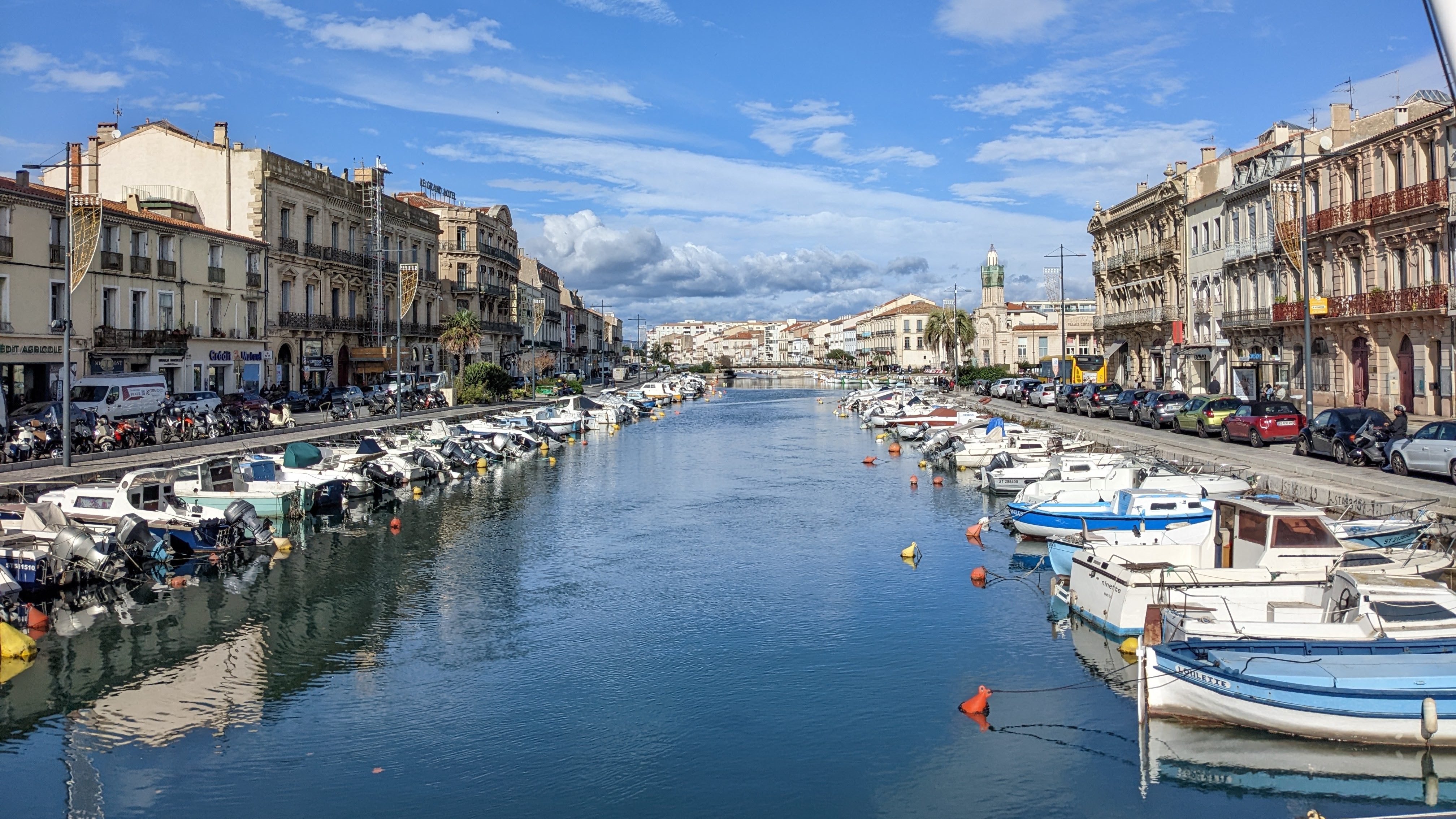
Séte was a great place to spend November, soaking up the sun and a more relaxed way of life

Having been sitting almost non-stop since June, we decided to take a break somewhere warm without any animals to regroup. A random map search on Airbnb found us a cute little apartment in the South of France on an island called Séte near Montpellier. We stayed a month and had a nice, relaxing time.

Our transportation costs are so high this month because we initially flew from Barcelona to Mulhouse as we had no immediate plans after Spain. It was only then that we found Séte and had to make our way down there. Séte is only a three hour train from Barcelona, so had we sorted this out earlier we could’ve saved quite a bit of money. You live, you learn.

We finished up the month with a short train ride to Marseille and a one night Airbnb, leaving us with nearly no expenses for the rest of the year!

December

Accommodation: $0 Transport: $115

We had initially booked a stay for one night in Athens to collect the keys and meet our host, but because of some scheduling changes, we actually ended up staying in different accommodation provided by our host at no extra cost, so our only expenditure was our flights from Marseille to Athens.

Of course, like Barcelona, Athens is a city to be enjoyed and explored, so we did go out for a few meals and some wine now and again. Overall the prices are very affordable so we stayed well within our means while still enjoying this fantastic city!

A lot of our outings in Athens involved climbing one of the many hills around town to take in the beautiful skyline.

And that’s 2023! This year, we hope to spend at least a month in each place, whether sitting or simply living. We are also incorporating some more paid sitting into our schedule, as well as pursuing our other interests. Until we have a place of our own (and even once we do!) pet sitting will continue to be a part of our lives. Not only is it an incredible way to save on accommodation costs, but it allows you the opportunity to get the stress relief that comes with being in a comfortable, homey environment and the enrichment and routine of looking after adorable animals.

Securing Your First Sit

Giving advice on how to get your first sit as a housesitter is like telling someone how to get their first date on Tinder. Because other people are involved, it’s impossible to know what things they look for or avoid, and just what they are thinking throughout their petsitter selection process.

However, there are a few things you can do to start off on the right foot. These include:

Good Photos

This isn’t just a well-lit selfie or your favorite travel photo. Remember that you are promoting yourself as a petsitting service, so your photos should be primarily of you with pets. As a couple, we struggle to get photos of us together with pets, so often our photos feature one of us plus the pet. If you are a solo sitter, it might be worthwhile to get a cheap bluetooth camera remote and a tripod or just prop your phone up and take a few snaps of you with the pets you are looking after (or even just some animals you know). Seeing how much you enjoy being around animals and how comfortable you are with them will really convey to potential home hosts that you understand what they are looking for and you are up to the task.

Good Profile

Whether you choose to use a site like Trusted Housesitters or Nomador, or you advertise your services on Facebook or NextDoor, you’ll want to have a solid paragraph of information that introduces you to potential home hosts and touches on the following points

  • Who you are- This should be a brief sentence or two. They don’t need to know your life history.
  • Why you want to pet sit- Even if you want to pet sit SOLELY to travel, or because you are saving for a house, you should also mention your love of pets or desire to be around animals. (This should be true, as well. If you don’t REALLY want to be around animals, this is not going to be a good fit.)
  • Your experience- It doesn’t need to be a full resume, just a few highlights that show you know how to care for animals. Things like “I’m really good around animals.” or “I’ve had pets my whole life.” may be a bit too vague to really grab the attention of a prospective home host.
  • Other skills or traits that make you stand out- If you have worked professionally in an animal care context, this is a good time to mention it. Likewise, if you have experience with farm work, gardening, pool maintenance, etc.– speak up!

Here’s an example of what a quick intro from us might look like:

Hi! We’re Jacki & Aaron, 30-something couple from the US and UK, currently traveling around Australia and New Zealand. Jacki is an editor and works remotely. Aaron is a librarian and is currently on sabbatical.

We both started pet and house sitting before we ever met, with Jacki doing three month sits every summer for a couple of teachers and Aaron using Workaway all over Europe. Jacki also gained experience with more exotic animals during her time working as a zoo educator in California and Aaron became a cat whisperer while working in a cattery in New Zealand.

Petsitting has allowed us to maintain a connection with animals while still pursuing our dream of traveling the world. The years of backpacking and city hopping are behind us and we’d much rather curl up with a good book and a furry friend while immersing ourselves in the culture of a new place.

In addition to animal care, Aaron used Workaway to get involved with construction projects and home and garden maintenance, while Jacki is the gardener of the two, happy to care for your indoor and outdoor plants, as well as a small farm or veggie garden. We can also help out with pool maintenance, mail forwarding, vacation rental turnover, contractor liaising, and other tasks while you are away.

Good References

As mentioned in Getting Started as a Petsitter, having reviews and references from previous house or pet sitting gigs will be crucial to you securing your first sit. However, if you haven’t had a sit before, how can you get that first review?

A good way to start is by offering to help out a family member or friend for an evening or a weekend away. Because they already know you, a level of trust has been established that will be harder to create with a stranger on the internet. You can also volunteer with a local animal shelter, offer to walk a neighbor’s dog during your lunch breaks, or take an animal care or animal first aid class at your local adult education or community center. These activities, while perhaps not directly related to your main goal of housesitting as a means of travel, can help you network with people and form relationships that can lead to solid references. They can also teach you valuable skills that will make your foray into housesitting much easier.

Many sites allow you to add character references while waiting to get your first review. While these may not be enough for some pet owners, this, combined with a solid video chat or in-person meet and greet could secure you that all-important first sit.

Side note: If you use many different platforms for sitting, consider collating your reviews into one easy-to-view document, social media link, or the like. This way you can showcase all of your experience across platforms and increase your authority and trustworthiness.

Open Availability

Milo lived only 20 minutes away from us.

While you may dream of looking after some cool cats in Cancun during Spring Break, you are more likely to have success sooner if you expand your availability. Especially when you are just starting out, local sits are the way to go. They allow you to stop by the pet owner’s place ahead of time for a meet and greet, you usually won’t have any overhead costs like flights or additional accommodation, and you can rack up a lot of experience in a short amount of time. Being local also opens you up to repeat sits, which can be really great if your plan to travel the world caring for animals is a few months off.

It can be tempting to set up your profile and start applying for every sit with cool animals or gorgeous architecture, but it’s important to take on sits that you can commit to and succeed at. Be sure you understand all the responsibilities involved in the sit, the cost of travel, the needs of the pets, and expectations of the homeowner before accepting a sit, whether it’s your first one or your fiftieth. Doing well on a sit will get you those all-important reviews and it will boost your experience, confidence, and enjoyment of the entire process.

5 Myths About House and Pet Sitting

First off, I’ll start out by saying I use the terms housesitting and petsitting interchangeably, even though one relates to watching a person’s pets while the other may suggest looking after a home. While it is possible to find housesitting jobs that don’t include pet care, they are few and far between. In fact, if you are thinking of becoming a housesitter and hoping to cruise around the world staying in incredible mansions without a thing to do, it’s time to re-evaluate. Below are a few things you may have heard about housesitting and petsitting that should be clarified.

  • Housesitting is free!

Many housesitting sites and even other housesitters promote the house and pet sitting lifestyle by saying you can live for free by looking after other people’s homes and pets. Unfortunately, like anything else that seems too good to be true, this just isn’t the case. Housesitting can be a cheaper way to see the world, and it can improve your travels by allowing you a more comfortable place to stay and time with animals, but there are costs involved. First up, is the sites you sign up for. At the time of writing this, the popular sites have the following costs for sitters:

These fees are pretty reasonable considering one sit will save you on accommodation costs well over the price of the membership. But it is still something to consider and budget for.

Another cost is transportation. Unless you are doing a housesit in your neighborhood (which if you’re just starting out, you should) you will likely incur some transportation costs. These may include flights, taxis, airport shuttles, rental cars, trains, and so on. Whenever we find a sit we like, the first thing we do is see what sort of transportation is involved.

If you are traveling and housesitting long term, you will also want travel insurance. While travel insurance won’t cover you if your sit gets cancelled, it will help if your flight is cancelled or delayed, your bags go missing, or you need medical attention.

The final cost isn’t financial, but it does take time and energy to look after animals. If you are planning to petsit while you travel, consider how many hours a day you’ll need to set aside for pet care. Does the dog you are looking after require two long walks a day? Do you need to be home by 5pm to feed a cat? If you work remotely, you’ll need to factor these responsibilities in as well. My thinking is, if you aren’t paying in money, you are probably paying in some other way.

  • Housesitting is easy!

Housesitting responsibilities are on a spectrum from “I can’t believe I get to stay here and do nothing,” to “Man, this is exhausting, never again.” Where a sit falls on this spectrum is subjective, and will be determined by your interests, your energy level, and the responsibilities of the sit. For example, I’m happy to look after a huge herd of sheep, but would find a cockatoo or African Grey too difficult. Consider how much work you want to do before applying. In general, dogs (especially lockdown dogs), are more work than older dogs or cats. Reptiles are easier to care for than bunnies. Chickens are easier than horses. Finding out what the responsibilities are in a phone or video chat ahead of time is the best way to decide how easy or challenging the sit might be.

There are also the added responsibilities of the house. Some people require sitters to mow the lawn, shovel snow, chop firewood and so on. Knowing what is needed before you get there will lead to a better sit overall.

I’ll add, just because a sit is challenging, does not mean it isn’t worthwhile. You will learn a lot about pet care, home care, and what you as a sitter are looking for from future sits.

  • Housesitting jobs are hard to come by.

There has never been more of a demand for housesitters. With travel restrictions around the world now lifted, everyone who got a pet during lockdown wants to go on holiday. This includes people who were housesitters previously but got their own pets during lockdown. That’s another petsitter off the market and another pet owner looking for a sitter. But that doesn’t mean that these people will hire just anyone to look after their cherished furbabies. Before you start applying for those more challenging sits in far flung places, it’s best to boost your ratings and your experience level. You can get more info on how to get started as a petsitter here.

  • You can’t get paid to do housesitting.

The overarching ethos of most housesitting sites is that it is an even exchange between a home and/or pet owner and a housesitter. While there are many instances where this is the case, there are opportunities to make money in certain instances. These include:

-Holidays: Most pet boarding places fill up well before major holidays. Homeowners that wait until the last minute will be in search of a well-reviewed pet sitter and they are willing to pay for the privilege.

-AirBnB: Any homeowner who asks for a sitter to manage their AirBnB should expect to pay for this service. They are making money in this exchange, so you should be too. Unless this happens in a country where you are allowed to work, it isn’t exactly legal for you to be paid, but it also isn’t legal for them to “employ” you without pay. Something to think about.

-Serious reno or pet care: Some housesitting jobs would be better suited for things like Workaway, yet homeowners will also advertise on housesitting sites to broaden their reach. If a homeowner is asking you to do anything beyond basic pet and house care, it could be worth having a conversation about compensation.

Keep in mind that generally speaking, it goes against the TOS for many housesitting sites (particularly Trusted Housesitters) to get paid in exchange for sitting. Others, like the “House Sitting” family of websites, allow sitters to charge for their services. Make sure you are not breaking any terms by asking for compensation if the website you are using forbids it. Better to just pass on that particular sit to stay in good standing with the platform.

A recent article in the Guardian reported on two Australian travelers who were deported from the United States and Canada after disclosing that they were housesitting (for free) in exchange for accommodation, I can’t stress enough that in most cases, your visitor visa will not allow you to work or volunteer in a country where you are not already authorized to do so. Be sure to read the fine print and make a decision regarding petsitting that feels good for you.

  • You can’t do housesitting full-time.

Going back to the first myth on this list, I’ll say, you can’t do housesitting full-time for free, but you certainly can do it full-time. It is unlikely that you’ll seamlessly move from sit to sit, so you should expect to put out some money for accommodation and other travel expenses between sits. You can see how much we spent on our first year housesitting full-time here. Housesitting full-time can be challenging and exhausting. As our own housesitting journey progresses, we sometimes choose to put travel first and housesitting second. This allows us to get more out of the experience and spend less time searching for sits or doing sits in places we don’t particularly want to be.

How Much We’ve Spent in 2022

When you tell people you travel full time, you can see the cogs start turning in their head even before the question leaves their lips. They are crunching the numbers, usually imaginary numbers they’ve created based on their own conceptions of what travel costs and what it costs to run their own lives. But ultimately, this all leads to the same question:

How do you afford it?

The simple answer to this is that Aaron worked full time for several years and saved so that he could afford to travel for a long time without needing a steady income. I, on the other hand, work remotely to more or less fund my way.

The complicated answer is that we can afford it because we’ve made it affordable. One of the ways that house sitting benefits us is that it saves us a lot of money on accommodation. When we look at our figures from the past year, we can clearly see the months that we stayed in hotels and AirBnBs versus the months that we only did house sitting. The difference is staggering. Paired with budget flights, we’ve managed to keep our major expenses low.

It’s worth mentioning that we don’t track everything we spend. Things like groceries, eating out, ground transportation, cultural experiences, and so on are considered, but we don’t write down what we spend. Due to the nature of how we travel, it does seem to balance out. We might take four days to do the tourist thing in a city we really wanted to visit but where we couldn’t secure a house sit. We’ll end up paying for accommodation and also eating out twice a day, going to more bars, paying for experiences, and so on. But then we’ll move on to a house sit, eat out maybe once a week, take a break from alcohol, walk everywhere, and spend no money. Because the “tourist” breaks are often the minority, we feel comfortable with the amount we spend.

Tips for Cutting Costs

All this being said, there are a few ways we save money that can really add up over time. These include:

  • Carry on only: It sounds improbable, but very often, we fly with only carry on. Sometimes, if we are flying a particular budget airline that is going to check, we’ll check one bag and split the cost. We’ll load that up with larger toiletries (another money saver) and then divide the rest of the weight between us. This is always much cheaper than checking two bags every time.
  • Budget airlines: We fly budget when we can, and we have the luxury of being able to be flexible with our dates and even our locations most of the time. Usually the expensive flights are because we had to be somewhere at a certain time, and so we were forced to pay a bit more (or a lot more) than we otherwise would want to. Over the course of our trip however, these larger flights evened out when spread across the days. If I could go back to the start, I would get the Jetstar membership. If you will be flying around Asia or especially around Australia, Jetstar is going to be your cheapest bet. Not necessarily your best bet, but your cheapest. Their membership costs money, but it would’ve saved us about $100 on flights.
  • Self-catering: We look for accommodation that allows for some amount of self-catering whether it’s just access to a fridge and a kettle or additional appliances like a toaster and a microwave. We try to limit our meals out to two per day and then have snacks from the grocery store in between. This saves us money even when we are in tourist mode. When we are house sitting, we’ll buy in bulk and make large batches of cheap meals that we can eat over several days. We always try to buy and eat what is local and seasonal (and on sale) to save even more.
  • Walking and public transportation: Outside of Southeast Asia, we’ve probably taken less than 10 taxis or Ubers the whole year. A few of these times, it was because they were actually cheaper than the ground transportation (Brisbane…) and others because someone accidentally booked the shuttle for the wrong date…oops. But for the vast majority of our travels, we’ve relied on public transportation or simply a good pair of sneakers to get us around. This not only saves a ton of money on taxis and rental cars, but it also keeps us in good shape and allows us to see parts of a city or town that we might have missed from a car window.
  • Thrifting: Even before embarking on our journey we were being thrifty. Many of the more expensive items I needed (backpack, sneakers, waterproof layer, woollen layer, hiking shoes) I bought second hand for pennies. When traveling across many different seasons, it’s common to off load certain items and get new ones. Thrifting takes the sting out of abandoning your clothes and buying a new wardrobe.
  • SIMs: This is a bit of a travel hack that might not be for everyone because it’s a little fiddly, but when arriving in a country, we get the SIM card with the best introductory offer. This usually lasts a month. If we are staying longer than a month, we’ll then switch to the SIM with the next best offer, and so on. Those $5 introductory offers usually jump to $30 or more per month afterwards, but if you are on top of it, you can save a lot and keep the same number. Because we spent so long in Australia, we ended up with a cheap carrier (Lebara) that had a reasonable monthly rate once we worked our way through all the deals.

Now that I’ve covered a few tips on how we’ve pinched pennies, I’ll outline our monthly costs. Again, this is just what we’ve spent on accommodation and flights. We spent quite a lot on train travel in Japan, Intercity buses in New Zealand, and a ferry to the South Island in NZ. Eventually I’ll do blogs outlining our experiences in these different countries and I’ll include the costs of these things then.

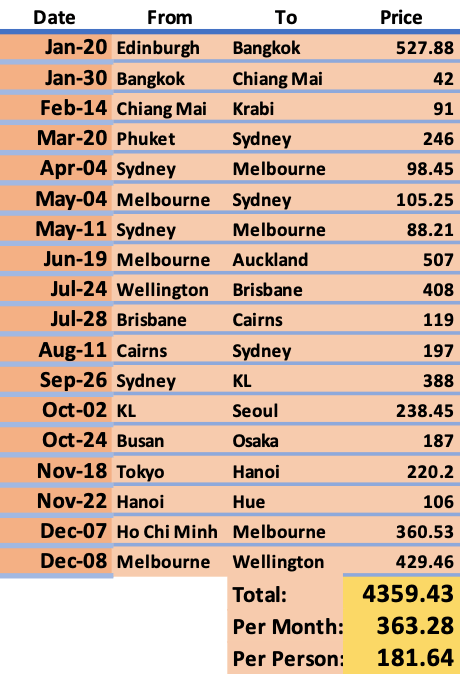
First let’s start by looking at flights:

*All costs are in GBP (£)

We did a few really long flights this year, so our flight costs are much higher than if we would’ve just stayed in Oceania, Asia, or Europe. In fact, we anticipate this cost to be much, much less for 2023, seeing as we’ll spend the first four months driving (which we will be tracking), and then we have one flight to Australia, one long flight to Europe, and then (hopefully) not too much more after that! My personal goal for next year is to spend less than £100 per person, per month.

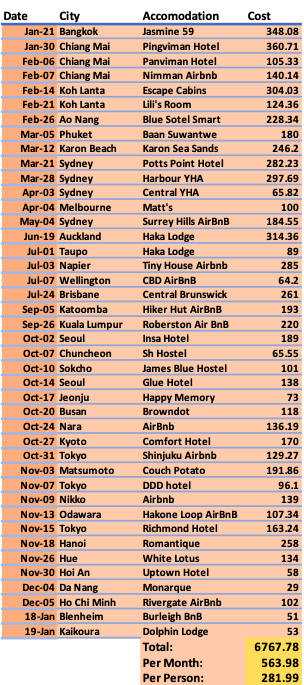
Now on to accommodation:

Now this is also higher than it maybe could’ve been for a few reasons. One, we spent the first two months of our trip not only traveling, but traveling in style. Thailand had just opened up, and the four and five star hotels were at a deep discount. Still a bit higher than we’d normally budget, but we just spent two years locked up! We decided to splurge a little and that is reflected in our overall costs.

Then, we arrived in Australia and saw quite a lot of money go to the cheapest accommodation we could find…which wasn’t all that cheap. Thankfully, our housesits started not too long after arriving, and our costs went down considerably. We did end up taking some sits out of desperation that didn’t end up being so great, and in hindsight it might’ve just been better to pay for a place, but you live and learn when it comes to what you will and will not put up with.

Our trip to NZ in the winter ended up being rather costly, and came from the necessity of a visa jump. Better planning could’ve eliminated almost £1000 from our yearly costs.

Near the end of the year we did another sit-free stretch, also in Asia. Things were a bit more expensive in Japan and Korea, so we were more mindful of our budget here than in Thailand, but we still managed to cover a lot of ground and see a ton while keeping costs pretty manageable.

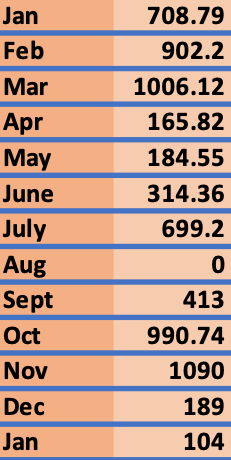
My favorite part of this chart is that it goes from July to Sept, with no charges for August at all! Below is a monthly breakdown of accommodation costs to give an idea of the difference between the months we were house sitting and the months we weren’t.

*we started on Jan 19, so this goes until Jan 19 2023

As you can see, March, October, and November were the most costly months as we did zero sits and we were in expensive countries for at least part of these months (Australia in March, Korea and Japan in October, and Japan in November). Our house sitting really started going strong in April and other than some costly accommodation in New Zealand in July, we managed to keep costs relatively low. It also helps that we are a couple, so any costs are split down the middle. Had we opted for dorm rooms or private rooms in AirBnBs, we could’ve saved even more, but at this stage there is a comfort level that we strive for, even in the priciest of locales.

Next year we are hoping to do more long-term house sits, not only to save on accommodation, but also to get a more comprehensive feel for the places we’ll be visiting. We will be spending the first third of the year in New Zealand, but hopefully our paid accommodation will be minimal. The second trimester, as it were, will be in Europe, so I’m hopeful we will be able to secure sits while also taking weekends here and there to be tourists.

In case you don’t want to do the math yourself, our total costs for flights and accommodation for a year of traveling came to £11,127.21 (give or take a few pence for exchange rate fluctuations)! To put that into perspective, our yearly rent in Edinburgh was £12,900.00, plus council tax and utilities.

My final thoughts on this is that it is, of course, just a fun exercise to see how much things cost and how we can be more mindful of certain expenses in the future. But it’s also a way to reinforce the idea that travel can be accessible and it can be affordable. Sometimes it simply requires utilizing all the resources available to you and all the skills you possess to make it work.

If you’re interested in trying out the house sitting lifestyle, be sure to check out our blog on how to get started as a pet sitter, as well as subscribing to get more insights about long term travel, housesitting, and more!

Getting Started as a Petsitter

There have never been more pet sits available than in this ‘post’-pandemic world we currently live in. People who got pets during lockdown are now free to visit family and friends they haven’t seen for years. This means that pet sitters are in high demand.

So how to get started as a pet sitter?

The first thing you are going to need to become a pet sitter is petsitting experience. Or more specifically, experience being around and caring for animals. If you want to become a full-time pet sitter, it’s best to start taking local sits or animal care gigs as early as possible so you can get some decent reviews and recommendations for your profile.

There are a few ways you can do this:

Friends and family:

It’s likely that some of your friends, family, coworkers, or neighbors have pets. Let them know you are available to look after their critters if they ever need to go away for a long weekend. Because they know you, it adds a level of trust that may not be inherent through a house sitting site. Get a few of these under your belt and then, when you set up your profile on the various house sitting sites, you’ll have references you can post (and some photos of you with animals) that will help you get sits.

Local sits:

Once you have a few references, set up your profile on one or more house sitting websites. We use Trusted Housesitters, the “House Sitting” family of sites, Nomador, and word of mouth to find the majority of our sits, but I’d suggest choosing one site to start. They all cost money, so the less you invest to start, the better. Trusted Housesitters is good in that they are international, so you pay one fee and you can search for sits all over the world. For now, look at your local area. Apply for sits that take your fancy and be sure to let the pet owners know that since you are starting out, you’d like to get some sits closer to home for now. Local sits also give you the opportunity to come around beforehand to meet the owner, the pet, and learn how everything works.

If you want more insight into how each of these different sites works, you can check out our blog about our Top 5 House Sitting Sites here.

Volunteering:

If you can’t take on sits right now for whatever reason but still want to get animal care experience, consider volunteering. Shelters, farms, zoos, and other places that keep animals typically accept volunteers to help with feeding and cleaning, walking, or socializing. Try to apply for something you can do at least once a week for at least 8 weeks. This will give you enough of a rapport with the staff to get a few references, and also help you gain valuable experience.

Going Full-Time and/or Long Term

Once you’ve gotten some great reviews and learned some lessons about pet care on the small scale, you can start to look for sits further afield and for longer durations. Below are some do’s and don’ts for applying to these sits.

DO: apply for multiple sits at once.

Applying is really an expression of interest. If the owner is interested in you, you can then have a phone or video conversation (here’s why we insist on video calls) and make a final decision. Some sites (like THS) require the sitter to be invited by the owner and then to accept the invitation, so there are a few steps that must be completed to finalize your sit. All this to say, don’t feel that by applying you are committing to the sit. You’ll find that even with the shortage of sitters, many people are slow to reply or don’t reply at all.

DON’T: book tickets just for a housesit.

If it’s a place you wouldn’t go anyway, don’t go just for the sit. If something happens and the sit is cancelled, will you still want to go to this destination? Would you go if you had to pay for accommodation? We pick a place first, and then see if there are sits. If so, yay! If not, we will likely still go (or may choose another place for that time period).

DO: ask a lot of questions.

Some sitters are so excited to be accepted to do a sit that they don’t ask a lot of questions in the meet and greet stage. This can lead to disappointments or miscommunications down the line. While some of these are simply life lessons on a shorter sit, being stuck in a long term sit doing something you hadn’t bargained for can be discouraging. You can check out our list of questions for home owners here.

DON’T: book months in advance.

Some people are planners, and that’s great. Obviously do whatever works for you. However, we’ve found that circumstances can (and often will) change down the line, and this may result in you or the homeowner needing to pull out of the sit. Our thinking is, the longer the sit, the further in advance we are willing to book. A weekend sit may be safe to book a few weeks ahead of time, but we personally wouldn’t lock in something 6 months down the line that was less than 6 weeks in duration.

DON’T: schedule filler sits first.

You may be tempted to book a two day sit in the middle of your trip thinking you’ll be able to find sits before and/or after to fill in the time. This could happen, but it’s risky to lock yourself into such a short duration without knowing what your schedule looks like before or after. If you see a longer sit that overlaps your ‘filler’ sit, you may be tempted to cancel. This is not only very bad sitter karma, but it can also result in penalties or even been banned from the site you have come to depend on for your sits. Remember that committing to a sit is just that, a commitment, and it should only be broken in the event of an emergency.

DO: get outside contact information.

Once you’ve confirmed your sit (or even at the meet and greet stage) you’ll want to exchange some sort of outside contact information. We usually rely on WhatsApp as it’s international and very widely used. If we have a local phone number, we may also supply that after confirmation. This way, you have several channels of communication in the weeks approaching the sit to check in about any last minute details, ask questions, and confirm arrival times. By solely relying on the platform messaging system, you may run the risk of an unresponsive homeowner who isn’t getting their notifications, has forgotten their login, or simply deleted the app once they secured a sitter! Not everyone is tech-savvy, so alternate forms of communication are key to a smooth sit.

DON’T: get discouraged.

When you are first starting out it can be easy to get discouraged if you aren’t getting responses from homeowners or if you are doing video chats but aren’t being selected. Getting the first sit can be challenging, but once you secure it things should get easier.

Have questions about pet sitting or house sitting? Want more insights into full-time travel? Leave a comment below and be sure to subscribe to our blog!

Welcome to Our Blog!

Photo of man and woman smiling in front of mountain on the beach.

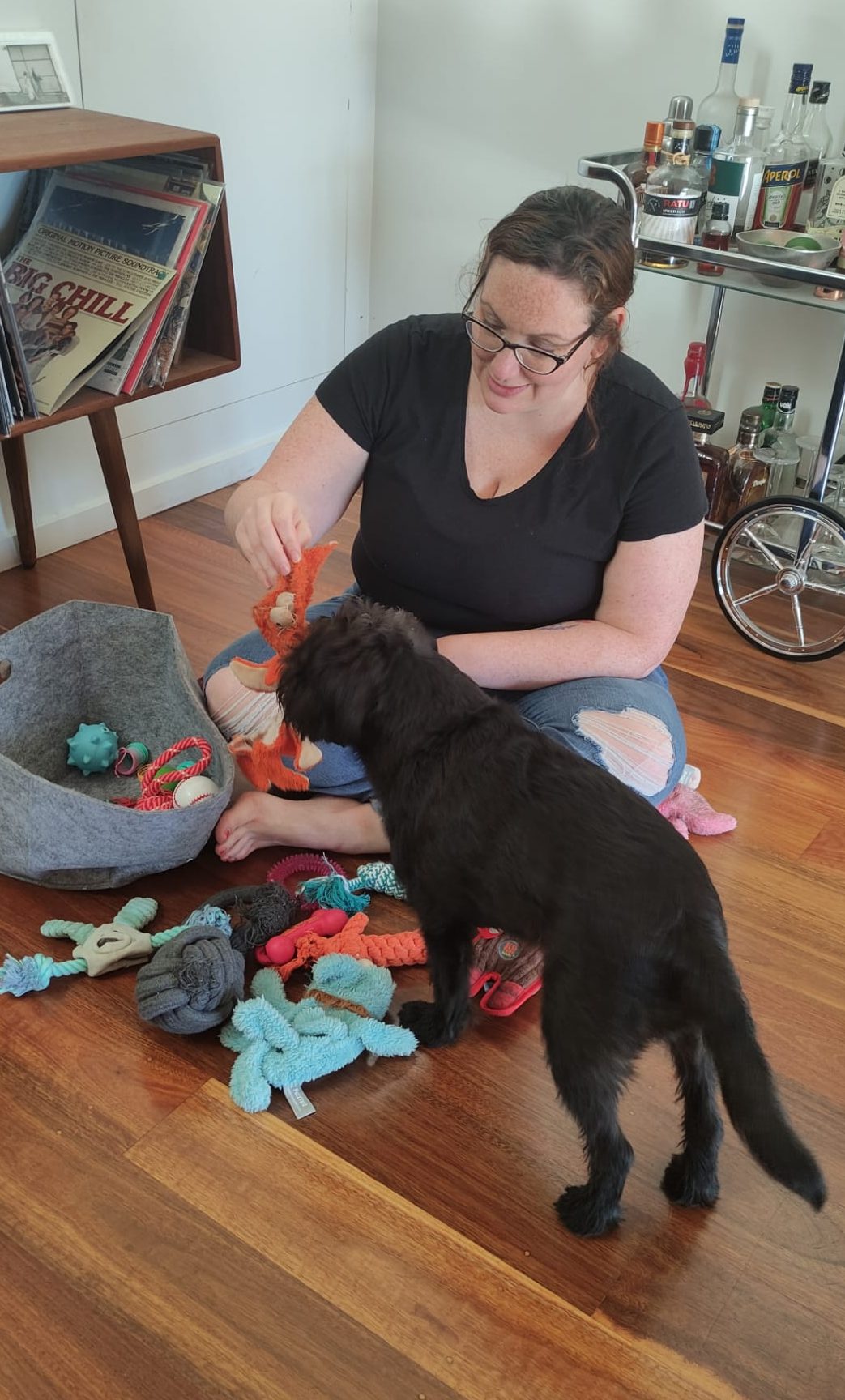
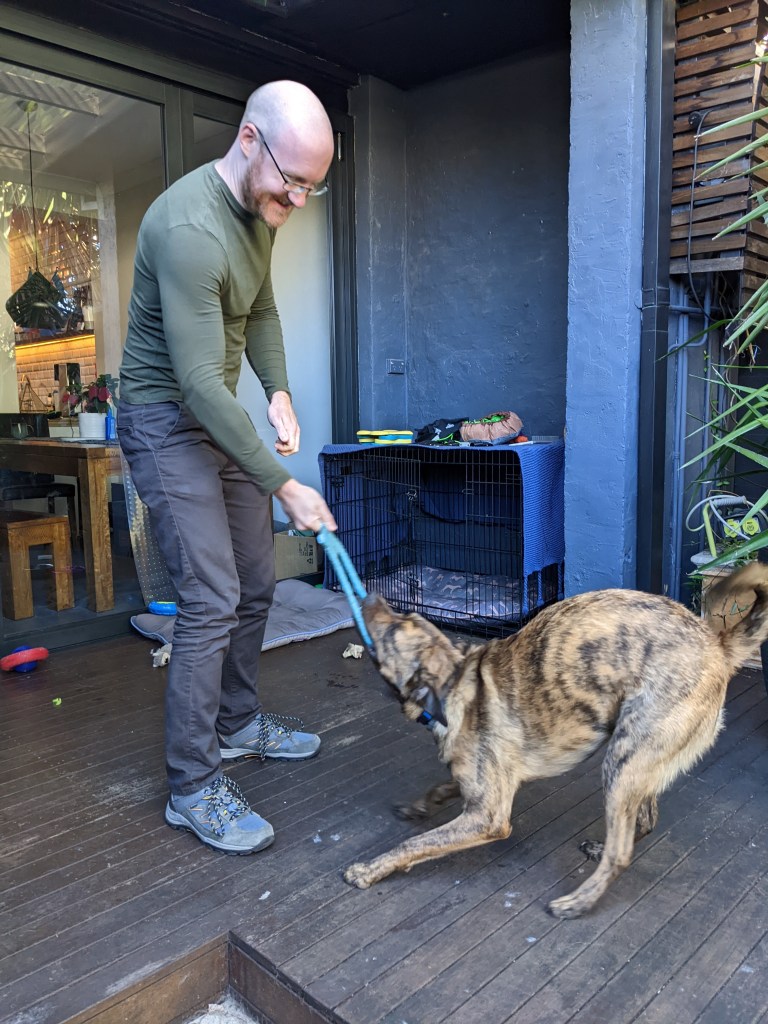
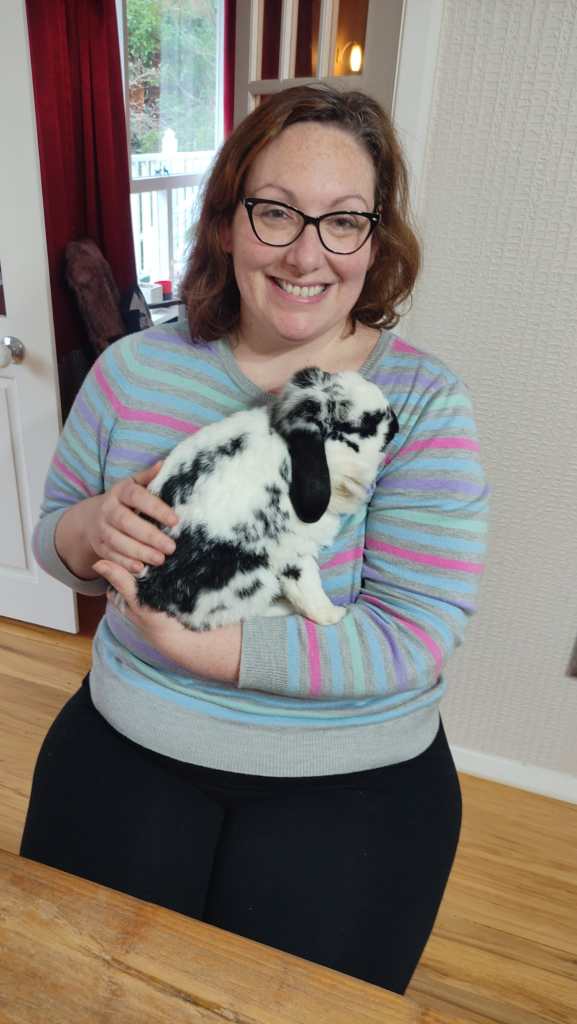
Hello! We are Jacki and Aaron, full-time international pet sitters traveling the world and making furry friends along the way!

We started our full-time travel journey in January 2022 after spending two years in UK lockdowns dreaming of exploring the world again. During this time, we did a few pet sits to keep our skills sharp as we prepared to embark on a truly epic journey.

Both of us had done pet sitting before, but not together. We met, bonded over a love of travel, shared our plans for upcoming trips (Aaron to Poland, Russia, and Georgia. Jacki to America and Italy.) and then suddenly the world closed for business. Thankfully, our circumstances allowed us to grow close during this time, and by the time lockdowns were lifted and countries were reopening to tourists we were living together and planning out what the next few years might look like.

We knew that in order to slow travel for a long time we would need to be thrifty. We also knew that we had grown out of the hostel life that Jacki had previously embraced and Aaron had never really experienced. AirBnBs were not sustainable long term, and hotels lacked the homeliness that we’d both grown to appreciate over the previous 15 months. Combining house sitting with travel was the perfect solution to these challenges.

House sitting is something we did occasionally in Edinburgh before the pandemic hit, as well as throughout the years before we ever met. It had always been a great way to experience a place like a local while having the company of some furry (and not so furry!) friends at the same time. Travel can be stressful and exhausting, and pets provide natural comfort and stress relief that can be the saving grace when you feel burnt out in your journey.

So here we are, a year later! We’re still loving it and learning from it every day, and so we’re starting this blog to share our thoughts, experiences, and advice.

Be sure to subscribe to be notified of new blog posts (hopefully once per week!) and check out our Instagram to see where we are and what we’re up to in real(ish) time.